In extreme environments with intense radiant heat and molten metal splashes, high-quality aluminized clothing is the first line of defense for ensuring the safety of on-site personnel.
This article will provide an in-depth analysis of the selection and long-term maintenance mechanisms of heat-resistant clothing from multiple dimensions, including environmental assessment, equipment selection, core materials, and compliance standards.
(List Summary)
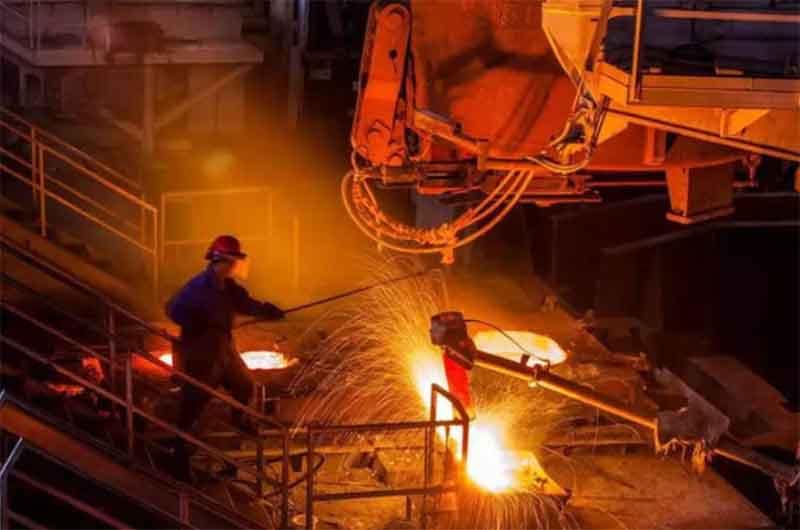
Thermal hazards in industrial operations refer not only to high ambient air temperatures, but also to the comprehensive heat load exerted on the human body by the environment.
According to the authoritative definition of the International Organization for Standardization (ISO), thermal hazards mainly include direct burns to the skin, exceeding safe core body temperatures, and severe heat stress.
In industries such as metallurgy, casting, glass manufacturing, and metal forging, employees are often exposed to extremely high temperatures.
This not only endangers their lives but also leads to decreased attention and slowed reaction time due to thermoregulation imbalances, significantly increasing the probability of machinery operation accidents.
When assessing the production environment, the types of heat must be scientifically classified. Common forms of heat transfer include: radiant heat, convective heat, conductive heat, and the most dangerous, molten metal splash.
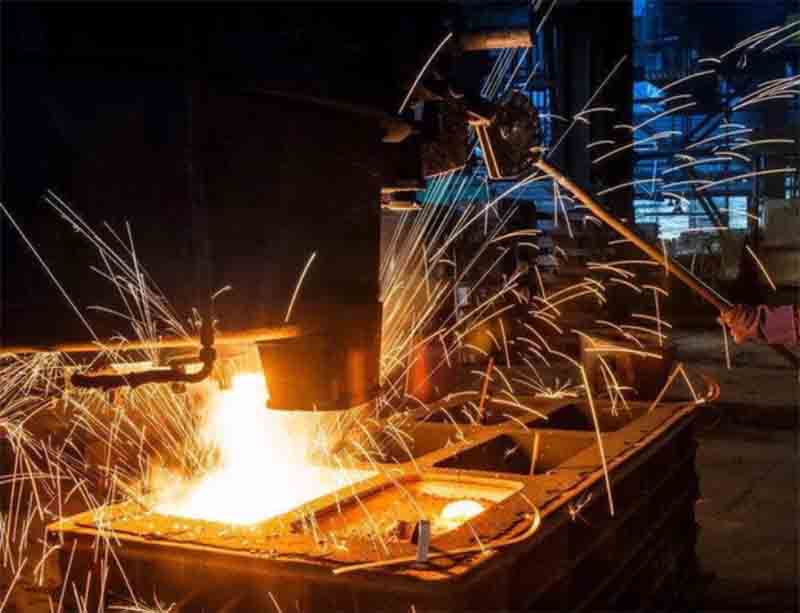
According to authoritative Personal Protective Equipment Testing Standards (EN ISO 11612), the characteristics of hazards faced by different positions vary greatly. For example, the main threat around an electric arc furnace is extremely high-flux infrared radiant heat, while at casting and slag removal stations, the instantaneous splashing of molten aluminum (approximately 700°C-800°C) or molten steel (above 1500°C) is the most deadly safety hazard.
As per the technical manuals, including 《Heat Protective Clothing Technical Manual》, the design of the clothing meant for high-temperature protection should accurately match the temperature of exposure and properties of the heat source.
Radiant heat is generally transmitted via electromagnetic waves. Normal textiles tend to heat up very quickly due to the absorption of heat, while the surfaces made of high-grade aluminum foil can reflect back most of the infrared radiation.
Therefore, during factory environmental assessments, safety engineers need to use black-ball thermometers to measure radiant heat flux and, together with the material, mass, and potential velocity of splashes, determine the appropriate level of protective equipment.
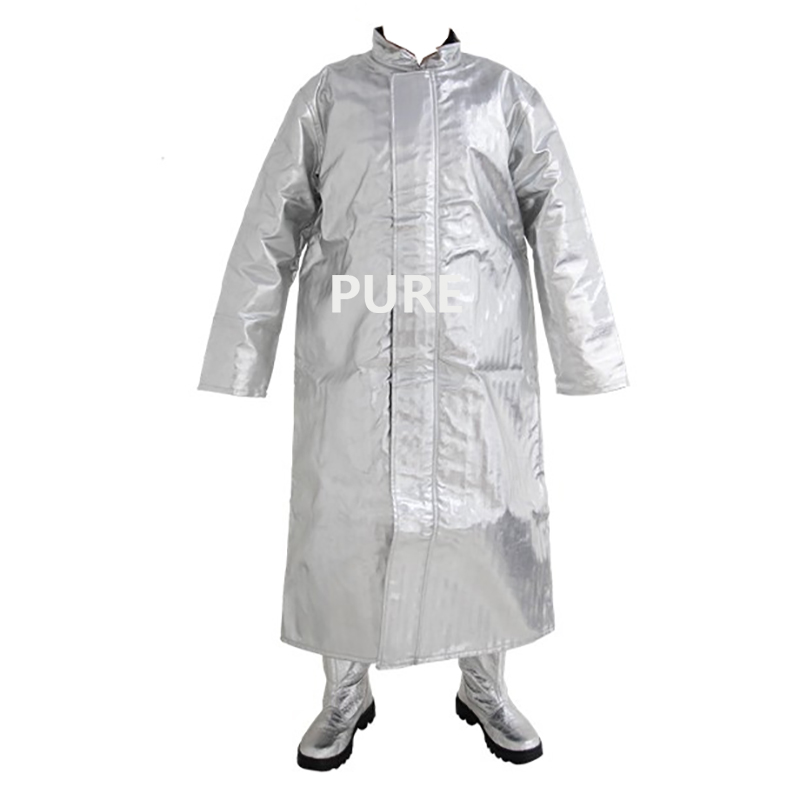
When choosing personal protective equipment (PPE), a high-performance aluminized coat can provide a comprehensive barrier against extreme radiant heat for the upper body and core organs.
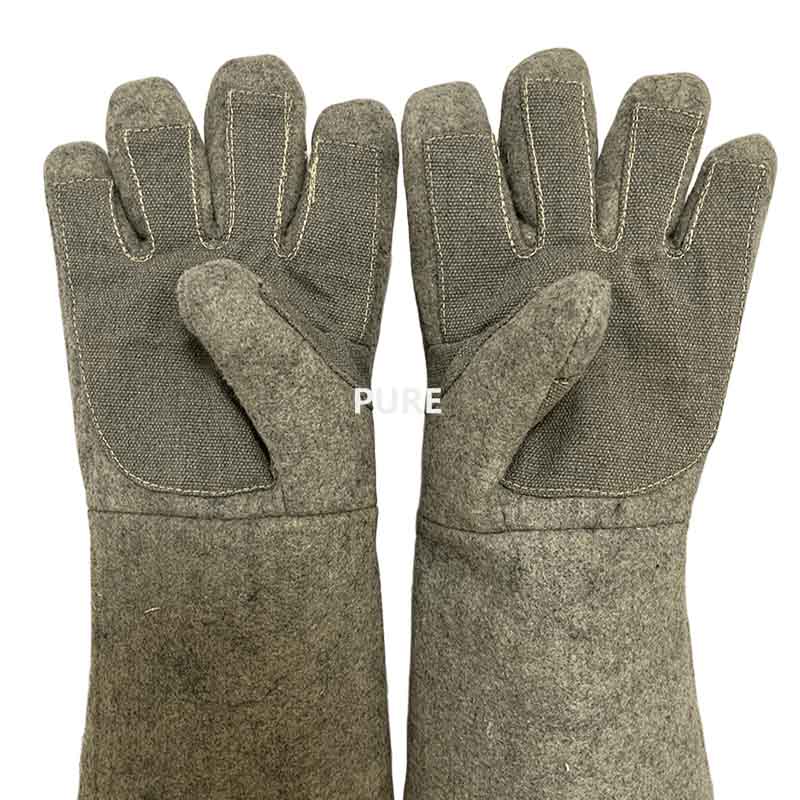
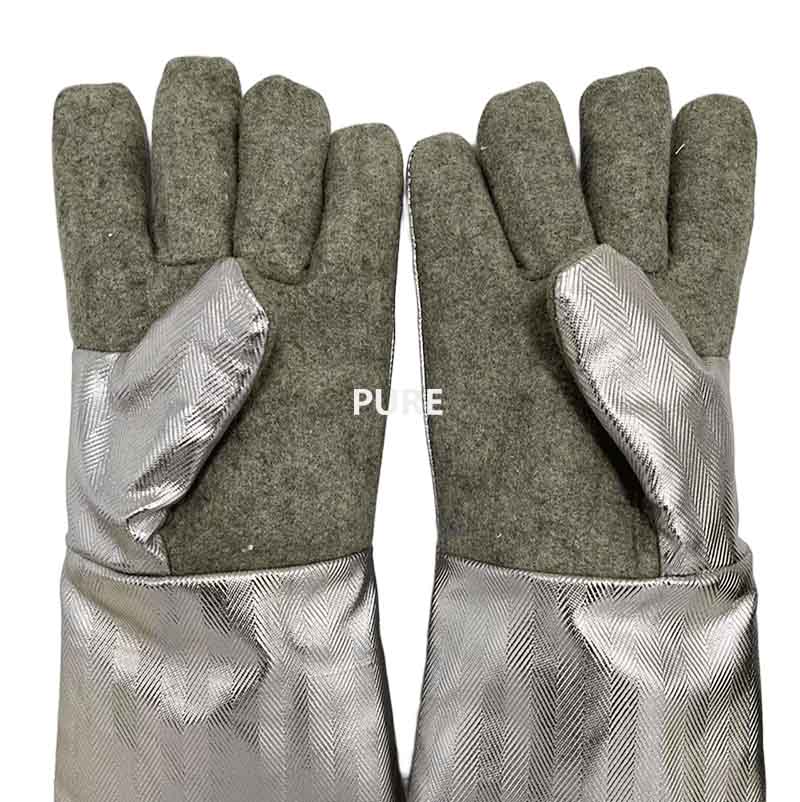
The selection of PPE is not about blindly pursuing heaviness, but rather requires a systematic matching based on the flexibility of the job and the overall heat load. High-risk foundry workstations typically require a full set of Heat Protective Clothing, including a heat-resistant hood, jacket, aluminized pants, and specialized heat-resistant gloves and shoe covers.
A deep understanding of the protective principles of aluminum foil protective equipment is a prerequisite for scientific selection. The core technology of this type of equipment lies in the perfect combination of “high surface reflectivity” and “multi-layered internal insulation.”
When intense radiant heat or molten metal assaults the body, the dense aluminum foil mirror surface of the outer layer reflects most of the heat into the environment through electromagnetic wave reflection.
On one hand, the layer of air and insulating layer (for instance, Nomex, aramid felt, etc.) present in the heat-resistant clothes create another protective shield and delay the transfer of the remaining heat into the inner layers.
With this combination of two protection layers, a person can be assured that the high outside temperature does not affect the inside temperature of heat-resistant clothes, and the body temperature stays at acceptable levels.
Choosing the right aluminized fabric is crucial because the core substrate directly determines the mechanical strength, heat resistance limit, service life, and wearing comfort of the protective suit.
Many purchasing personnel and safety managers often ask: What are fire suits made of? In fact, they are made of high-tech composite fabrics with an aluminum-coated surface. According to industry-leading process comparison data, the mainstream substrates are currently mainly divided into the following four types:
Aluminized Kevlar material possesses extremely high tear strength, excellent abrasion resistance, and cut resistance.
This material is ideal for heavy-duty work positions that face both high-temperature radiation and the risk of abrasion from heavy machinery and cuts from sharp objects, such as scrap metal handlers in front of furnaces and machine repair workers.
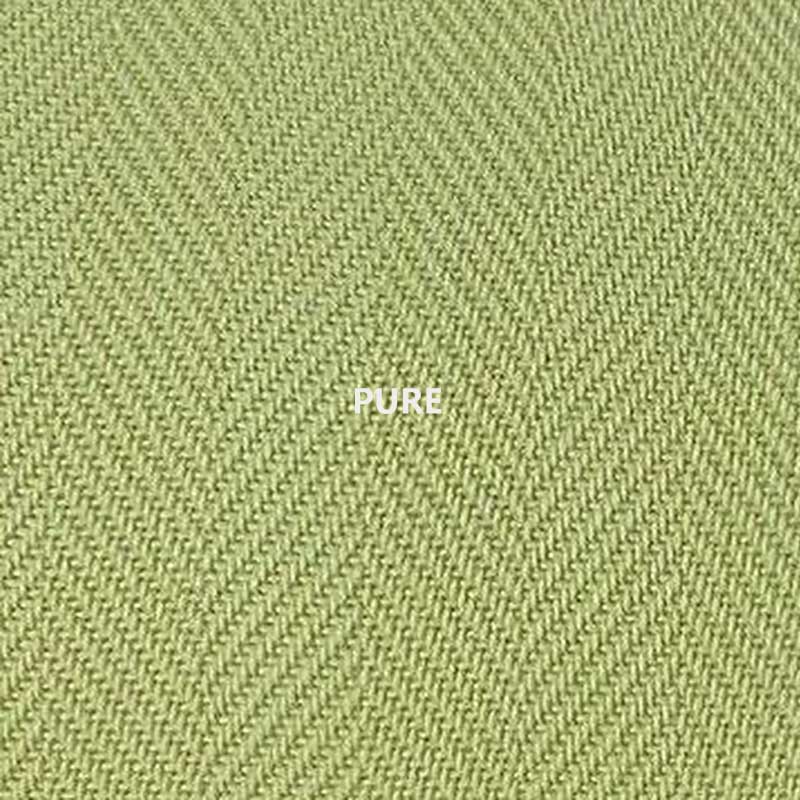
Aluminized carbon fiber materials possess excellent high-temperature stability and inherent flame retardancy.
Their molecular structure maintains extremely high integrity even at extreme temperatures, and they are relatively lightweight. However, their resistance to repeated folding and abrasion is slightly inferior to that of aramid-based materials.
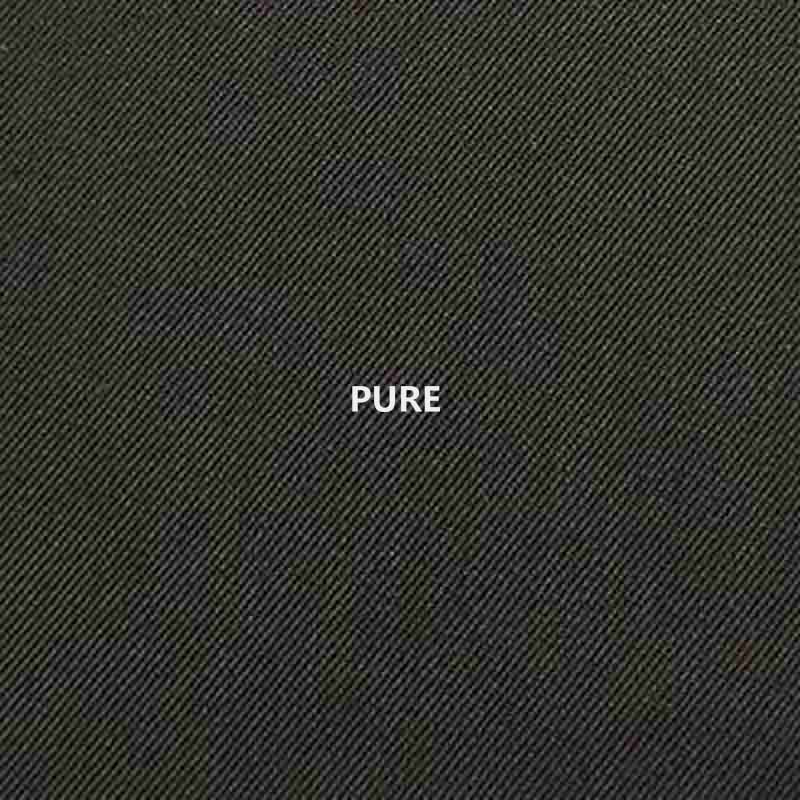
Fiberglass is currently the most widely used and classic choice in industrial applications.
High-quality aluminized fiberglass cloth can withstand continuous high temperatures of 550°C, possesses excellent electrical insulation and extremely high cost-effectiveness, and is often used to make high-temperature protective curtains, heat insulation covers, and basic heat-protective clothing for moderately hazardous jobs.
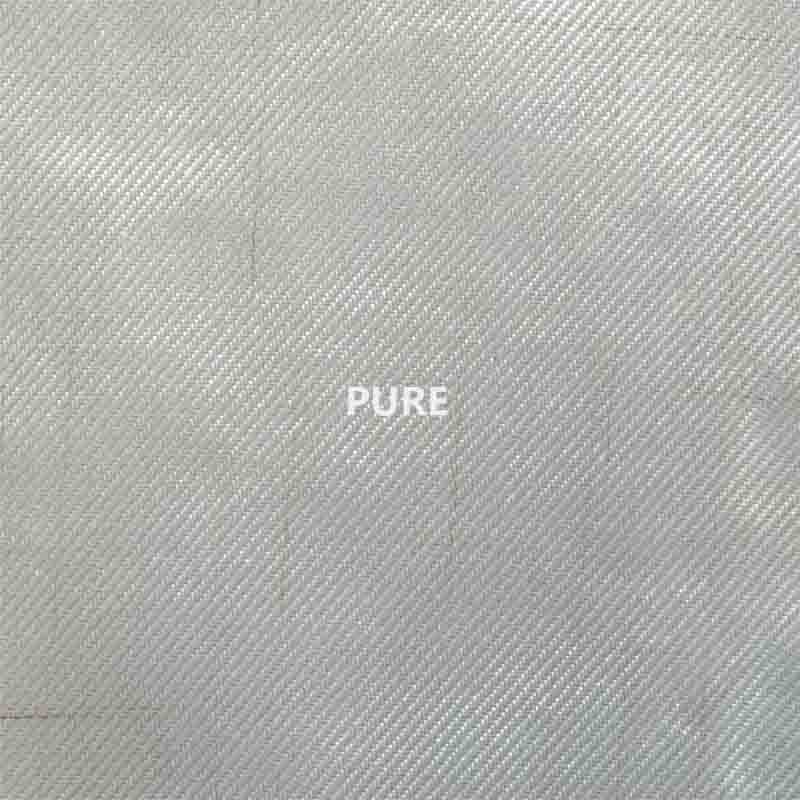
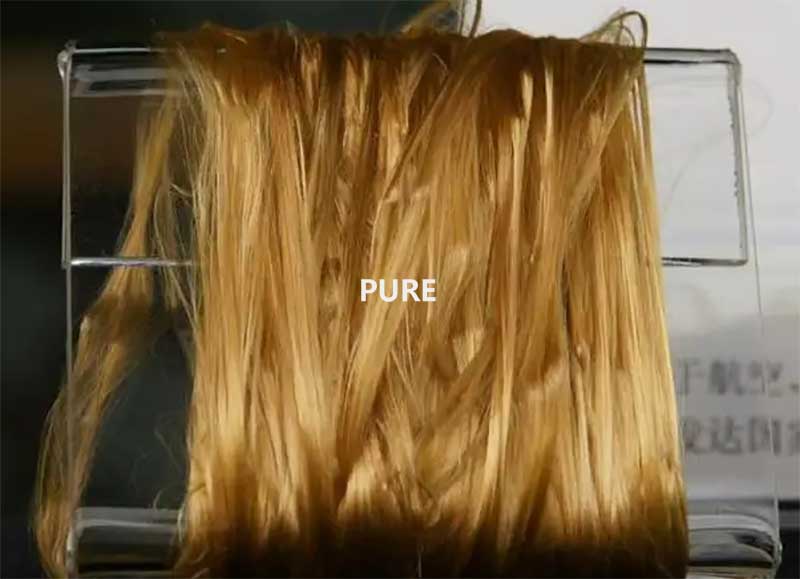
High-end composite thermal insulation materials (such as aluminized PBI) are currently the top-performing specialty fibers.
PBI (polybenzimidazole) does not melt or drip at extremely high temperatures and maintains excellent flexibility, providing unparalleled comprehensive thermal protection performance, making it the core choice for top-level safety protection.
|
Material type |
Radiant Energy Reflection |
Continuous temperature resistance (°F) |
Mechanical strength |
Typical application positions |
|
Aluminized Fiberglass |
≥90% |
1000 |
Medium |
Inspection worker, general casting assistant |
|
Aluminized Kevlar fabric |
≥95% |
800 |
Extremely high |
Scrap steel addition, mechanical repairman |
|
Aluminized Carbon fabric |
≥95% |
800 |
Good |
Slag removal from the furnace, high-temperature cleaning worker |
|
Aluminized PBI Composite |
≥98% |
3000 |
Excellent |
Ultra-high risk continuous casting core station |
In actual industrial production, differentiated selections must be made for different job types. For inspection processes, which involve frequent movement and short periods of heat exposure, lightweight fiberglass substrates are recommended.
However, for workstations such as slag removal and slag clearing in front of the furnace, which require high-intensity physical labor and involve direct exposure to metal splashes, heavy-duty aluminized jackets based on Kevlar or PBI substrates must be provided to strike the right balance between protection and frontline work efficiency.
To ensure absolute safety on the production line, all industrial aluminized jackets must comply with rigorous international testing frameworks. Currently, the globally recognized core standards are EN ISO 11612 (Protective Clothing – Heat and Fire Protective Clothing) and ASTM F1959 (Arc Rating Test).
The ISO 11612 standard subdivides the protective performance of clothing into multiple levels, including conductive heat (B), convective heat (C), radiative heat (D/E), and molten metal splash (F).
Here, D represents the molten aluminum splash rating, E represents the molten iron splash rating, and D3 and E3 are the highest protection levels in their respective fields.
I once led a protective upgrade project for an aluminum casting workshop, aiming to address the dual risks of “splatter burns + heat stress”. At the time, the old solution used ordinary aluminized clothing, but two minor molten droplet burn incidents still occurred at the continuous casting station.
What we did
After the project began, we conducted three rounds of testing: In a simulated 850℃ molten aluminum splash environment, the peak temperature of the inner surface of traditional clothing reached approximately 58℃.
At the same time, the upgraded solution (using a high-performance thermal insulation composite structure system) controlled the temperature at ≤40℃ (infrared thermometry). Simultaneously, the air permeability was increased from approximately 15 L/(m²·min) to ≥30 L/(m²·min), significantly reducing heat buildup.
Their feedback
Ultimately, we completely replaced protective equipment at high-risk workstations and optimized the wearing system (layered structure + quick-release design).
Three months after implementation, statistics showed: minor burn incidents decreased by 100%, reports of heat stress decreased by approximately 65%, and continuous production line efficiency improved by approximately 12%.
This fully demonstrates that strictly adhering to ISO 11612 D3/E3 standards, combined with excellent air permeability, is the only way for enterprises to achieve a win-win situation of “zero accidents” and “high efficiency.” If your company faces similar high-risk challenges, please feel free to contact our technical team. Click “Protective Clothing” to obtain detailed professional selection solutions.
The lifespan and safety of high-temperature protective equipment largely depend on the correct use and daily maintenance of its underlying aluminized cloth.
Even the highest-performance protective suits will suffer a significant reduction in their core specular reflection and heat insulation performance if worn incorrectly or maintained improperly.
To guide on-site operators in safe and standardized operations, we have developed the following summary of standard operating procedures:
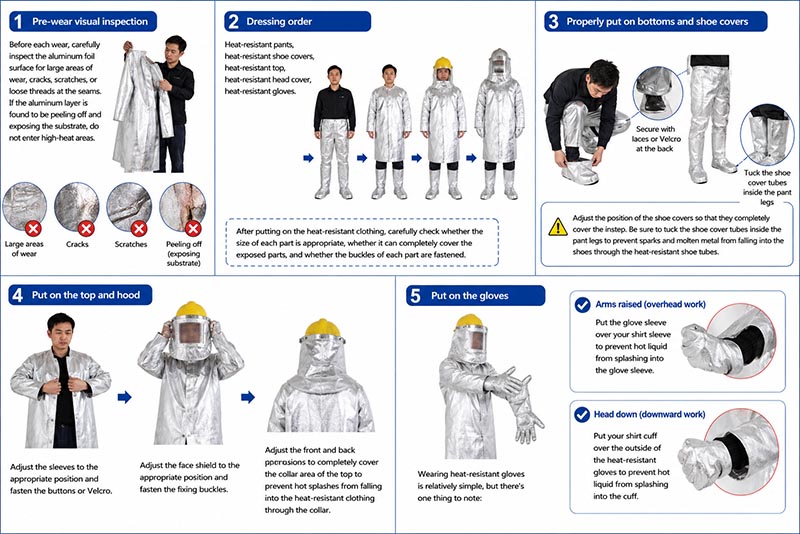
Step 1: Pre-wear visual inspection. Before each wear, carefully inspect the aluminum foil surface for large areas of wear, cracks, scratches, or loose threads at the seams. If the aluminum layer is found to be peeling off and exposing the substrate, do not enter high-heat areas.
Step 2: Dressing order: heat-resistant pants, heat-resistant shoe covers, heat-resistant top, heat-resistant head cover, heat-resistant gloves. After putting on the heat-resistant clothing, carefully check whether the size of each part is appropriate, whether it can completely cover the exposed parts, and whether the buckles of each part are fastened.
Step 3: Properly put on the bottoms and the shoe covers. After putting on the heat-resistant pants, put both shoe covers on the shoes and secure them with the laces or Velcro at the back. Adjust the position of the shoe covers so that they completely cover the instep. Note: Be sure to tuck the shoe cover tubes inside the pant legs to prevent sparks and molten metal from falling into the shoes through the heat-resistant shoe tubes.
Step 4: Put on the top and hood. Putting on the top is relatively simple. After putting it on, adjust the sleeves to the appropriate position and fasten the buttons or Velcro. After putting on the top, put on the heat-resistant hood, adjust the face shield to the appropriate position, fasten the fixing buckles, and adjust the front and back protrusions to completely cover the collar area of the top to prevent hot splashes from falling into the heat-resistant clothing through the collar.
Step 5: Put on the gloves. Wearing heat-resistant gloves is relatively simple, but there’s one thing to note: if you’re working with your arms raised, you need to put the glove sleeve over your shirt sleeve; if you’re working with your head down, you should put your shirt cuff over the outside of the heat-resistant gloves. This is to prevent hot liquid from splashing into the glove sleeve or cuff and causing injury to the user.
In terms of size and layering, protective clothing should be moderately loose to create a good air insulation layer inside the garment.
For routine washing, never use strong alkaline detergents or subject the garment to vigorous mechanical rubbing, as this will damage the extremely thin aluminum foil mirror finish. Gently wipe away surface dirt with a soft cloth dampened with water or a neutral detergent, and hang to air dry in a cool, dry place.
Regular durability management not only extends the lifespan of the aluminized fabric but also provides long-term protection for employee safety.
Modern industrial heat-resistant suits (heat suits) are typically made of a high-temperature resistant special fiber substrate (such as glass fiber, Kevlar, PBI, etc.) bonded to an outer high-reflectivity aluminum foil film through a special lamination and composite process.
A: Absolutely not. If the surface of the aluminum foil shows obvious peeling, cracking, or deep scratches, its ability to reflect infrared radiation heat will be lost instantly, which can easily lead to localized overheating and serious burns. It must be scrapped or replaced immediately.
A: Inspection must be performed before every shift. Safety personnel must examine high-wear areas like armpits, elbows, and seams for any signs of fabric flaking or delamination. Any garment showing loss of reflectivity must be removed from service immediately.
No. Special high-temperature-resistant, splash-proof shoe covers must be used, and you must ensure that the trouser legs completely cover the outside of the shoe covers to prevent molten metal from splashing in and sliding down the shoe opening, causing extremely serious burns to your feet.
As a professional manufacturer with years of experience in industrial high-temperature protection, our series of heat-resistant clothing has all passed EU CE certification, ISO 9001 quality management system certification, and the national occupational safety mark (LA) certification. We have successfully provided comprehensive safety protection for over 500 large metallurgical, forging, and casting companies worldwide, with a long-term customer satisfaction rate of 99.3%.
If you have any customized selection needs or bulk purchase intentions regarding aluminized cloth equipment, please feel free to contact us:
Tel: +86-15975793306 Email: [email protected]
As we know, Heat Transfer Printing Felt is suitable for fabrics, decorative fabrics, curtains, le...
Read Safety Rules for Laundry Management to be a qualified manager. PARTⅠ Laundry room Safety Gen...
The aluminum extrusion machine is the leading equipment for the production of aluminum profiles. ...
Heat transfer printing is a contemporary printing process in the clothing market. It prints the p...
In the textile industry, felt is only a small part but important. About how to choose felt that i...
Foshan Pure Technology Company., Ltd. helps conveyor belt manufacturers source equipment to metal...
What is Nomex? Meta-amide, or meta-phenylene isophthalamide, is made from meta-phenylenediamine a...
Kevlar Fiber Introduction In the development of materials science, Kevlar fiber has particularly ...