The four major problems in flatwork ironing include washing issues, low-quality steam, lack of maintenance, and improper speed coordination.
These factors directly affect ironing efficiency, fabric appearance, and machine performance.
Flatwork ironing is not just a machine process — it is a system process. It includes:
1. Washing
2. Dehydration
3. Steam supply
4. Ironing
5. Folding
Most ironing defects originate from earlier stages, not the ironing machine itself.
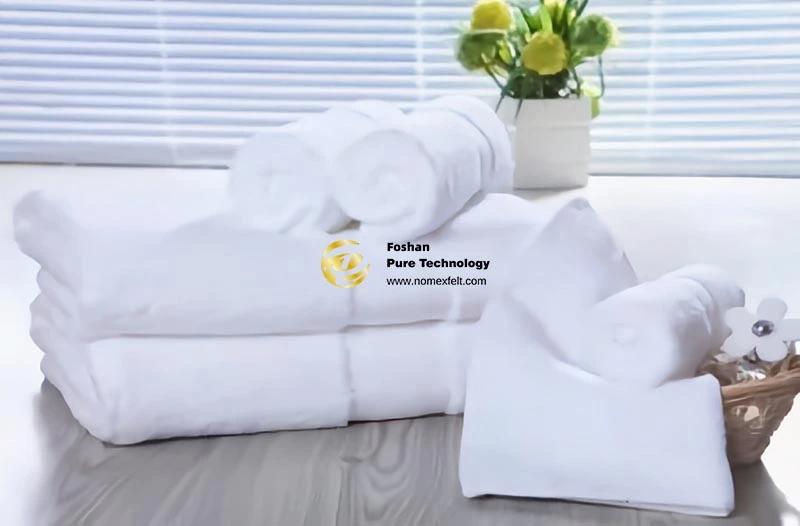
The major problems caused by washing are those related to ironing.
Poor washing can lead to:
1. Yellowing after ironing
2. Fabric damage
3. Reduced linen lifespan
Most ironing defects are caused by improper washing, not ironing itself.
It is the chemical residue left on the material after washing. High levels will result in:
1. Reactions in heat.
2. Stains are yellow or brown in color.
1. Optimum value < 0.04 g/L
2. Danger zone > 0.2 g/L
Dehydration determines how much moisture remains before ironing. Ideal condition: Moisture content around 50–54%.
Why it matters
Too wet → inefficient ironing
Too dry → fabric damage
How to optimize washing
1. Control chemical dosage
2. Ensure proper rinsing
3. Optimize extraction force
4. Adjust the loading capacity
Steam quality directly determines heat transfer efficiency.
Steam quality refers to the dryness and stability of steam used in ironing.
Wet steam contains water droplets, which:
1. Block heat transfer
2. Cause water stains
3. Reduce ironing efficiency
Steam quality is one of the most underestimated factors in ironing performance.
1. Incomplete separation from the boiler
2. Poor drainage
3. Improper steam system design
How to fix Steam issues
1.Install a water separator
2. Use a high-quality steam trap
3. Maintain a proper drainage system
What is a good steam system?
A good steam system should:
1. Deliver dry steam
2. Remove condensate quickly
3. Maintain stable pressure

Even small maintenance issues can significantly reduce performance.
1.Uneven pressure
2. Wrinkles increase
3. Efficiency drops
The exhaust system removes moisture during ironing.
If it fails:
1. Vapor accumulates
2. Wax blocks the system
Important rule: Never turn off the exhaust fan during waxing.
Springs maintain pressure between the roller and fabric. When they degrade, Pressure becomes uneven, and the ironing quality decreases.
Roller size affects:
1. Moisture removal
2.Fabric tension
3. Final finish
What is the role of a flatwork ironer belt?
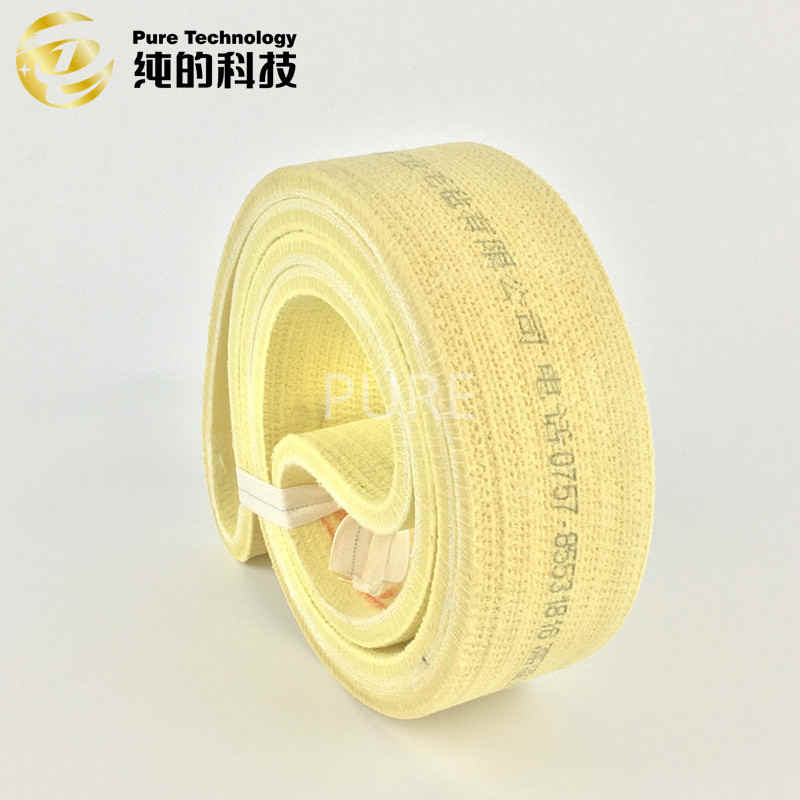
A flatwork ironer belt supports fabric transport and heat distribution.
Why choose high-performance ironer belts?
Standard ironing belts may:
1.Expand under heat
2. Lose stability
Nomex ironer belts provide:
1. High temperature resistance
2. Stable dimensions
3. Longer service life
A stable flatwork ironer belt directly improves ironing consistency and efficiency.
Speed coordination ensures smooth fabric processing.
Different speeds create a controlled stretching effect.
1. Reduces wrinkles
2. Improves fabric smoothness
For example, on a machine with an 800 mm diameter roller, you might notice that the linen becomes slightly longer after passing through several rollers.
In real operation, this stretch is usually small — just enough to help smooth out wrinkles — but after multiple passes, the total extension can be around a few centimeters.
This slight, controlled stretching is actually intentional and helps improve the final ironing result.
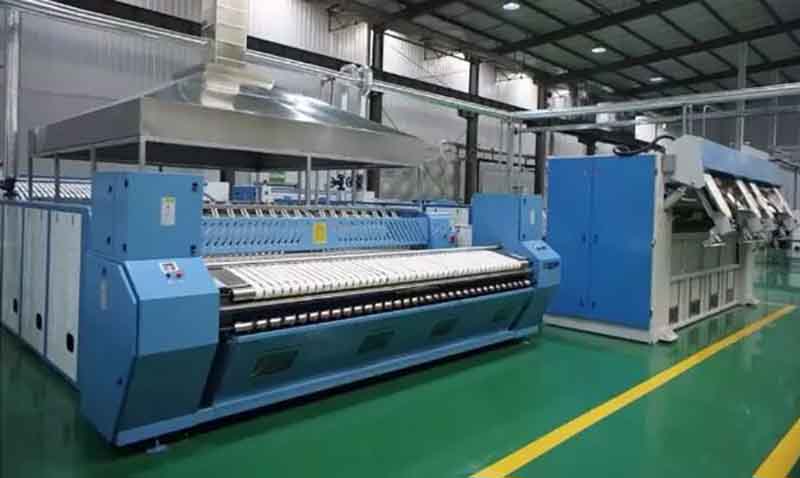
What is the correct speed setup?
1. Feeding conveyor → ~10% slower
2. Rollers → standard speed
3. Folding machine → slightly faster
What is edge-to-edge feeding?
Edge-to-edge feeding means: Aligning or slightly overlapping linen edges during feeding.
Why is it important?
1. Maintains workflow continuity
2. Reduces gaps
Small gaps at the final stage are normal.
To achieve stable and efficient ironing:
1. Maintain proper washing standards
2. Ensure dry and stable steam
3. Perform regular maintenance
4. Optimize speed coordination
5. Use high-quality flatwork ironer belts
Stable ironing results require coordination across the entire laundry system.
Yellowing is mainly caused by residual alkalinity from washing.
Around 50–54% moisture content is optimal.
Improve steam quality and use stable flatwork ironer belts.
Dry steam ensures efficient heat transfer and prevents water stains.
Key components such as springs and ironer belts should be inspected regularly and replaced when worn.
Flatwork ironing performance depends on four key factors: washing quality, steam condition, machine maintenance, and speed coordination.
Among these, washing and steam quality have the greatest impact on final ironing results.
Ordinary ironing belts are prone to expansion and contraction due to temperature changes, leading to roller deformation.How to determine if your ironer belt needs replacing? Click this article to read more.
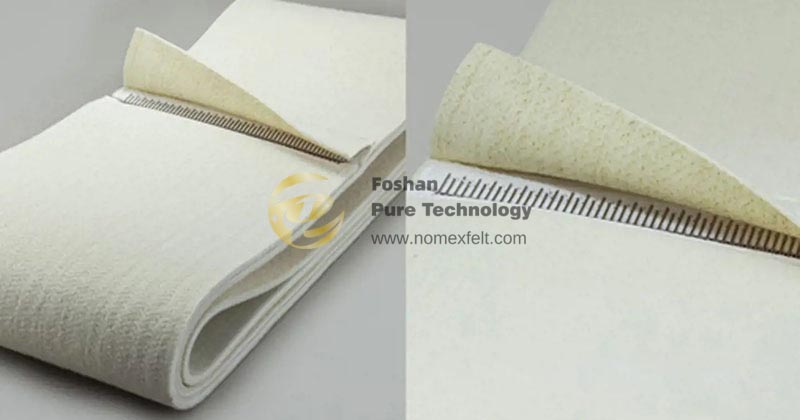
Nomexfelt ironer belts, made with imported materials and independently developed and manufactured, undergo special treatment to effectively prevent tape deformation later on, thus extending the service life of the rollers.
About the Author
This article is based on practical experience in industrial laundry systems and flatwork ironing optimization, including equipment operation, steam system design, and high-temperature ironer belt applications.
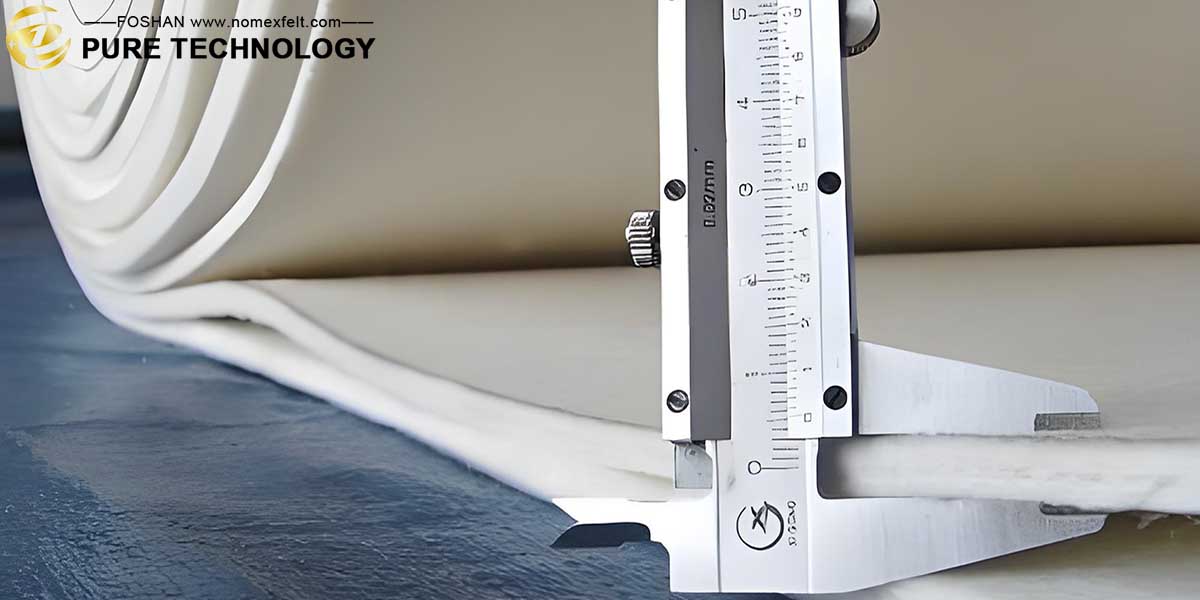
As we know, Heat Transfer Printing Felt is suitable for fabrics, decorative fabrics, curtains, le...

Read Safety Rules for Laundry Management to be a qualified manager. PARTⅠ Laundry room Safety Gen...
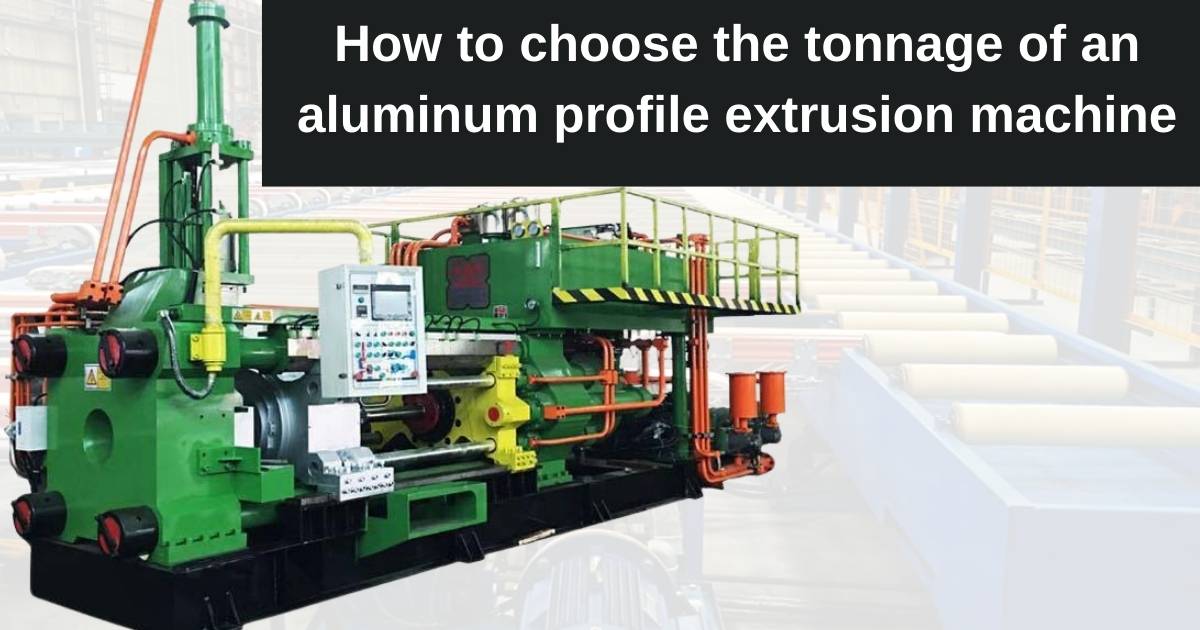
The aluminum extrusion machine is the leading equipment for the production of aluminum profiles. ...
Heat transfer printing is a contemporary printing process in the clothing market. It prints the p...
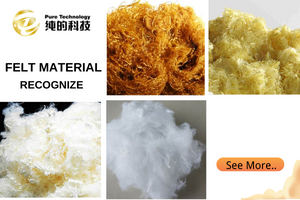
In the textile industry, felt is only a small part but important. About how to choose felt that i...
Foshan Pure Technology Company., Ltd. helps conveyor belt manufacturers source equipment to metal...
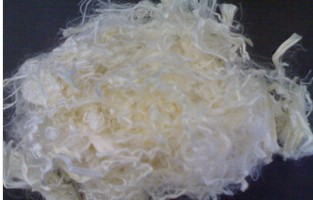
What is Nomex? Meta-amide, or meta-phenylene isophthalamide, is made from meta-phenylenediamine a...
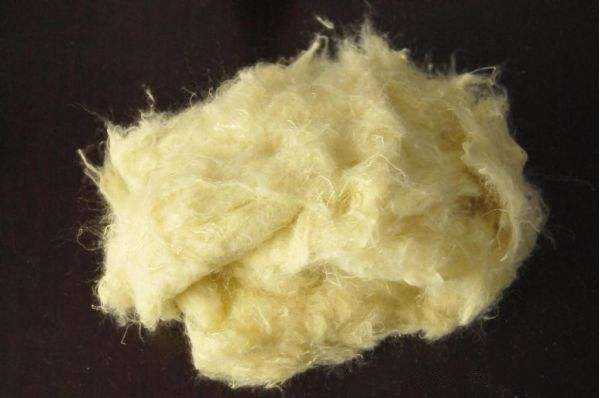
Kevlar Fiber Introduction In the development of materials science, Kevlar fiber has particularly ...