Energy costs are typically still one of the highest operating costs for commercial laundry establishments, particularly for hospitality-related organizations such as hotels and healthcare organizations.
Often, many managers will seek methods to reduce their utility bills, yet energy loss is more frequently caused by seemingly insignificant operational habits rather than the age of the equipment itself.
On the basis of general practices followed in commercial laundry facilities, the following are the seven most commonly overlooked energy saving errors along with their solutions without compromise on quality or process output.
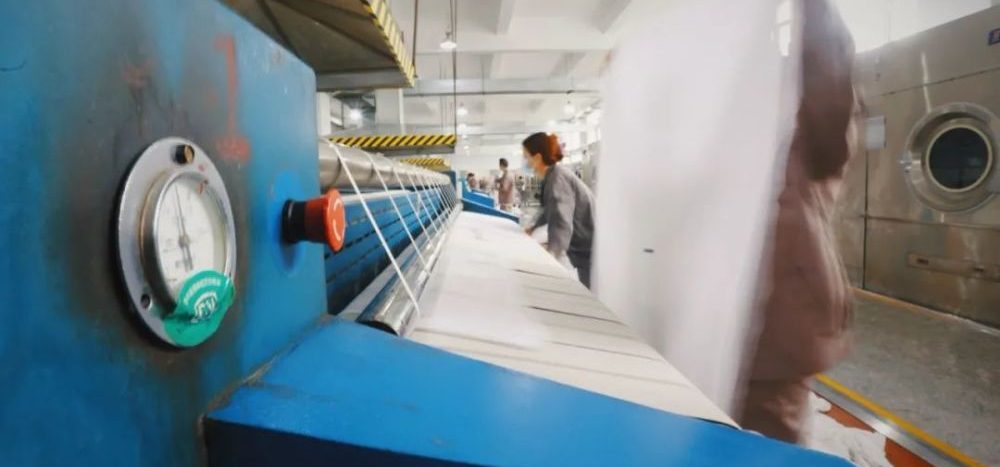
Laundry managers also commonly have the misconception that hot water is necessary for effective cleaning. The truth is that modern commercial cleaning agents and washing technologies are designed to wash effectively at low temperatures.
For the average daily washing tasks, such as bedding, towels, or uniforms, even cold water provides a comparable clean to warm water. Hot water is used only for heavily soiled items or in critical cleanliness applications.
By reducing the use of excessive hot water, householders use less energy while, at the same time, reducing the stress on fabrics. This extends the lifespan of the fabrics.
Key takeaway: Switching the appropriate load to the available hot or cold water can create immediate economies with no risk of operational down-time.
One of the most cost-effective methods to reduce energy usage is preventive maintenance. It is sometimes neglected due to busy production schedules.
Clogged lint filters, vents, or ill-maintained lubrications compel the machines to labor more than required. To illustrate this, if the vents of the dryer are restricted, the drying time may increase by 10-20%, increasing energy consumption.
Routine activities such as cleaning the filter, testing the seal, oiling moving parts, and airflow may be necessary to assure proper machine functioning within an efficient range.
Key Takeaway: Machines in a well-maintained state require less energy, have lower failure rates, and can carry out operations in a consistent cycle.
A major problem in the day-to-day running of commercial laundries is improper loading. This overloads the motor, which can then seize to stop proper agitation, leading to a rewashing cycle.
It also leads to a wastage of energy, as the machines work at similar efficiencies irrespective of the amount of work done. Educating staff members on the optimum loading capacity of different machines can be effective in eliminating the need for unnecessary repeat cycles.
Key takeaway: Right load balancing enables efficient distribution of energy consumption, wash results, and processing efficiency.
The high-speed spin cycle is critical in conserving energy in the washing process. However, the high-speed cycle is often underutilized.
Modern washing machines have G-forces greater than 300, allowing for an extra 20 to 30 percent of moisture extraction before items go into the drying machine. This directly saves drying time as well as mechanical and burner energy.
In items like towels, uniforms, and large bedding items, wet extraction ensures fabrics are not over-dried while saving energy costs.
Key takeaway: One method to minimize the overall energy consumption in a laundry cycle is to extract as much water as possible before drying.
Generally, the older the washers and dryers, the more water, electricity, and gas they require in comparison with new high-efficiency equipment. Although the initial costs are high, the new equipment can save money on utilities alone.
High efficiency systems have the following advantages:
In many areas, rebate programs and incentives from utilities reduce the period required to achieve a return on investment.
Key Takeaway: Equipment enhancements should be evaluated based upon lifecycle costs rather than initial costs.
Incorrect heat levels for drying clothes and extended dry times, instead of saving time, waste energy, and cause textiles to wear out more quickly.
Additionally, a large number of dryers used commercially today have a feature known as a humidity or moisture sensor, where the drying cycle is automatically turned off when the material is dry.
Lower temperatures paired with optimization of cycle controls may be all that is necessary for most fabrics, especially for lightweight articles.
Key takeaway: Smarter dryer operation saves energy yet extends the life of the linen and uniforms.
Even the most efficient equipment cannot deliver savings without consistent operation.
In facilities processing large daily volumes, inconsistent practices—such as varying load sizes, temperature choices, or cycle selections—can quietly drive up energy costs month after month.
Clear operating guidelines, basic staff training, and simple visual reminders near machines help maintain efficiency over time.
Key takeaway: Standardized procedures turn energy efficiency into a repeatable habit, not a one-time adjustment.
With modern detergents and commercial machines, most daily laundry loads can be cleaned effectively without hot water.
Many facilities see noticeable reductions within the first utility billing cycle after adjusting wash and dry practices.
No. Even significant savings can result from operational optimization long before replacement is required.
Energy efficiency is seldom the result of a solitary alteration within the operation of a commercial laundry, but rather a range of minor, common-sense modifications, including optimum water temperature, loading, maintenance, and standardization.
Laundry managers can avoid many computational errors by correcting some commonly overlooked errors in the computation processes that can reduce costs incurred in the operations of the laundry systems while maintaining the quality of the fabrics being cleaned in the systems. By correcting the above commonly overlooked computation errors
For those seeking deeper levels of efficiency gains, looking at the next stage of processes, whether they be in the realm of drying, finishing, or ironing, can also provide valuable heat optimization opportunities.
As we know, Heat Transfer Printing Felt is suitable for fabrics, decorative fabrics, curtains, le...

Read Safety Rules for Laundry Management to be a qualified manager. PARTⅠ Laundry room Safety Gen...

The aluminum extrusion machine is the leading equipment for the production of aluminum profiles. ...

Heat transfer printing is a contemporary printing process in the clothing market. It prints the p...

In the textile industry, felt is only a small part but important. About how to choose felt that i...
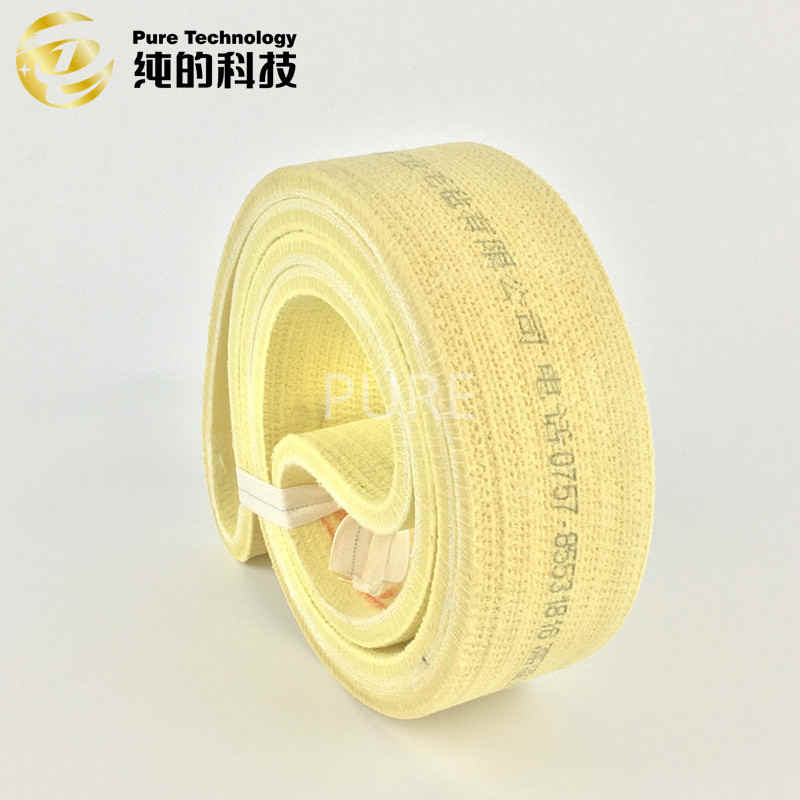
Foshan Pure Technology Company., Ltd. helps conveyor belt manufacturers source equipment to metal...
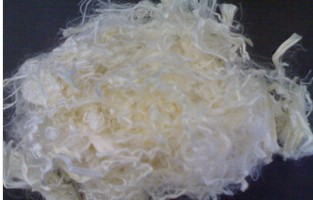
What is Nomex? Meta-amide, or meta-phenylene isophthalamide, is made from meta-phenylenediamine a...
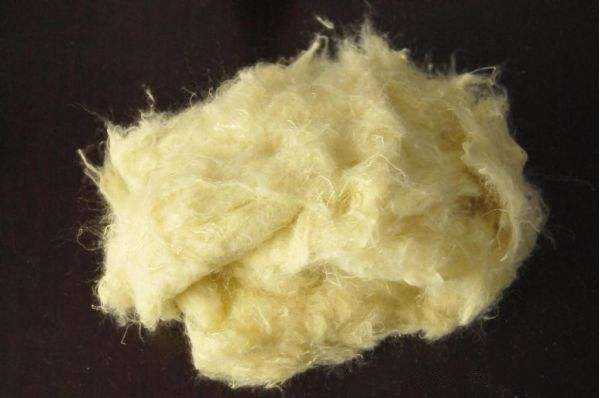
Kevlar Fiber Introduction In the development of materials science, Kevlar fiber has particularly ...